
Product Photography That Sells
What Wholesale Buyers Really Need to See
If you’re a product-based business owner selling through online wholesale marketplaces, your photography is often the only conversation you get. There’s no trade show booth, no in-person meeting, no chance to hand a buyer your product and let them feel the weight of it themselves. A buyer scrolling through an online wholesale platform is making a purchasing decision based entirely on what your images tell them. After years photographing product lines for brands stepping into wholesale and retail relationships, I’ve learned that product photography that sells isn’t about pretty pictures. It’s about answering every question a buyer would ask if they could actually pick your product up.

Product photography that sells answers a buyer’s questions before they’re asked. It shows true scale and proportion, close-up detail of materials and construction, and lifestyle context for how the product is actually used. Online wholesale buyers order without ever touching the product or meeting the maker, so photography has to carry the trust an in-person trade show booth would normally provide.
The Real Job of Product Photography Is Answering Questions
At an in-person trade show, a buyer can pick up your product, turn it over, and ask you questions on the spot. Online, that entire exchange has to happen through your images. A wholesale buyer scrolling your product page is silently running through a checklist: What is this made of? How is it constructed? Will it hold up? Product photography that sells addresses these questions directly, before the buyer has to message you, or worse, click away without asking at all.
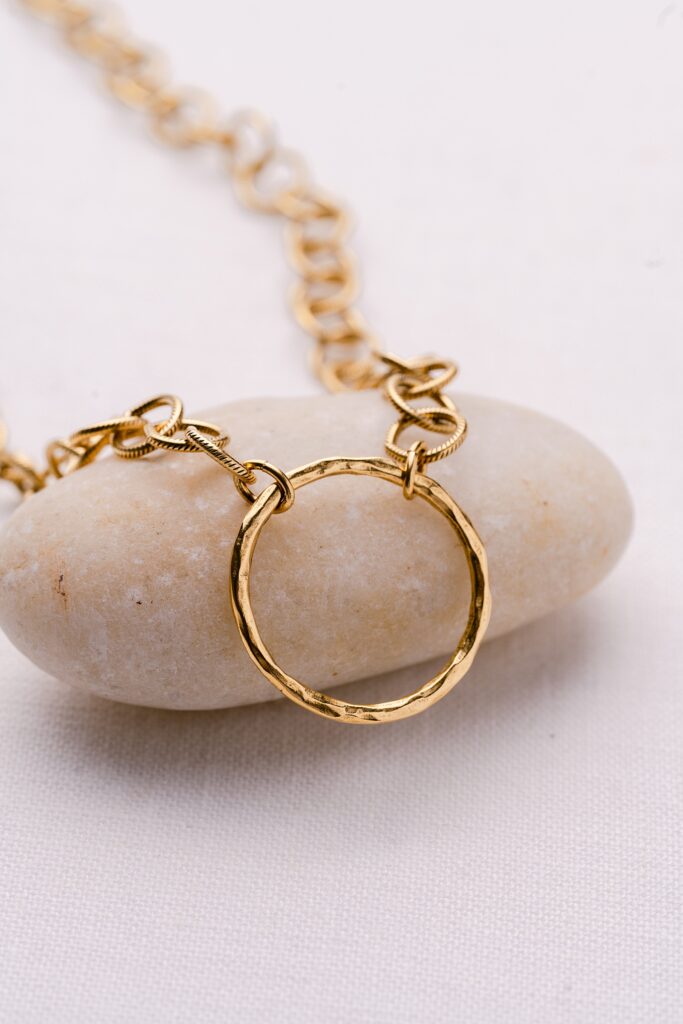
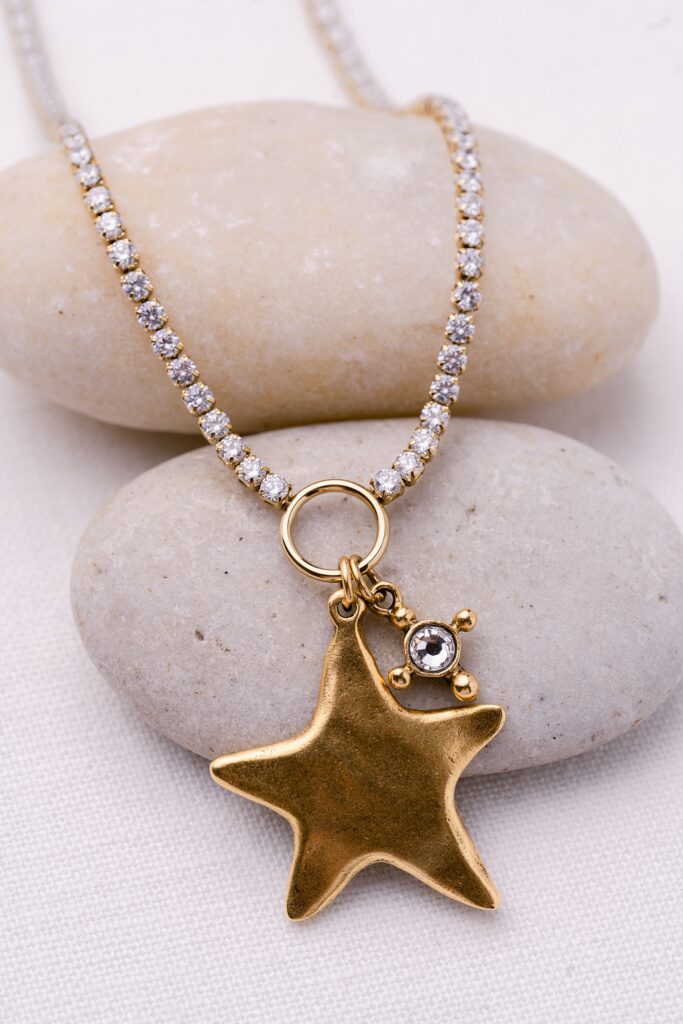
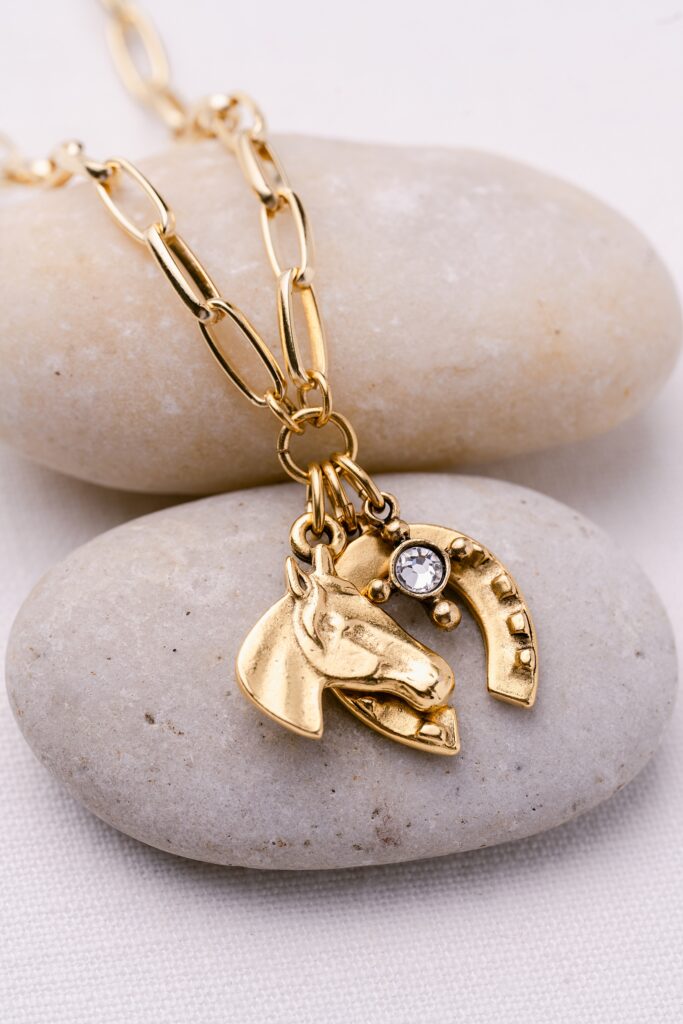
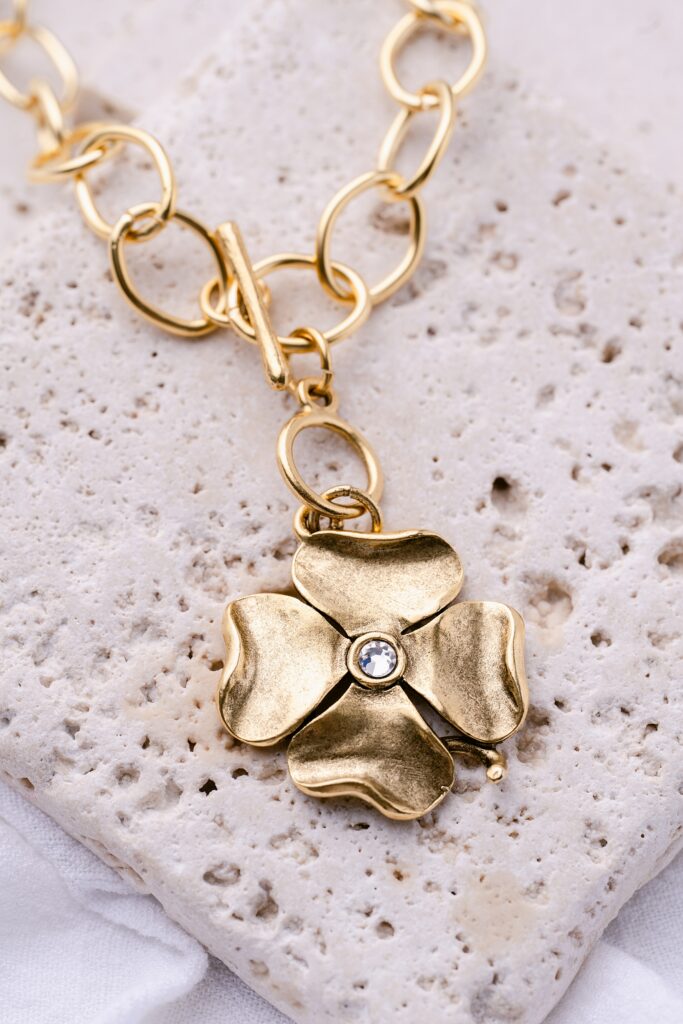
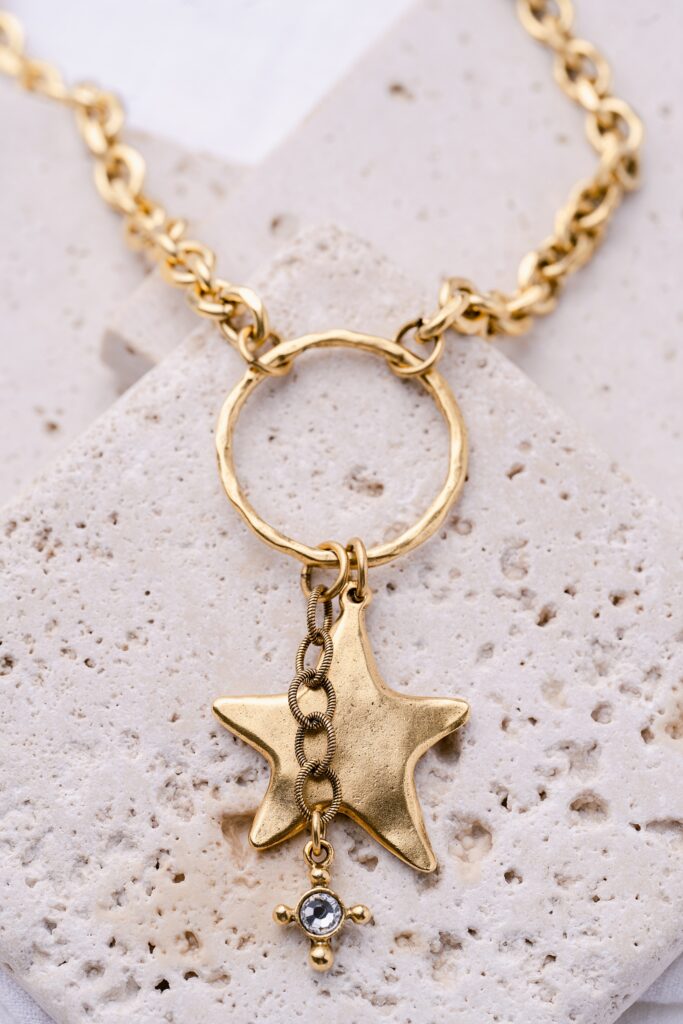
This means getting close. Detail shots of stitching, hardware, texture, and finish do more than showcase craftsmanship — they remove doubt. A buyer who can see the quality up close, even through a screen, is a buyer who trusts the quality at scale.
Show Scale So Online Buyers Know Exactly What They’re Ordering
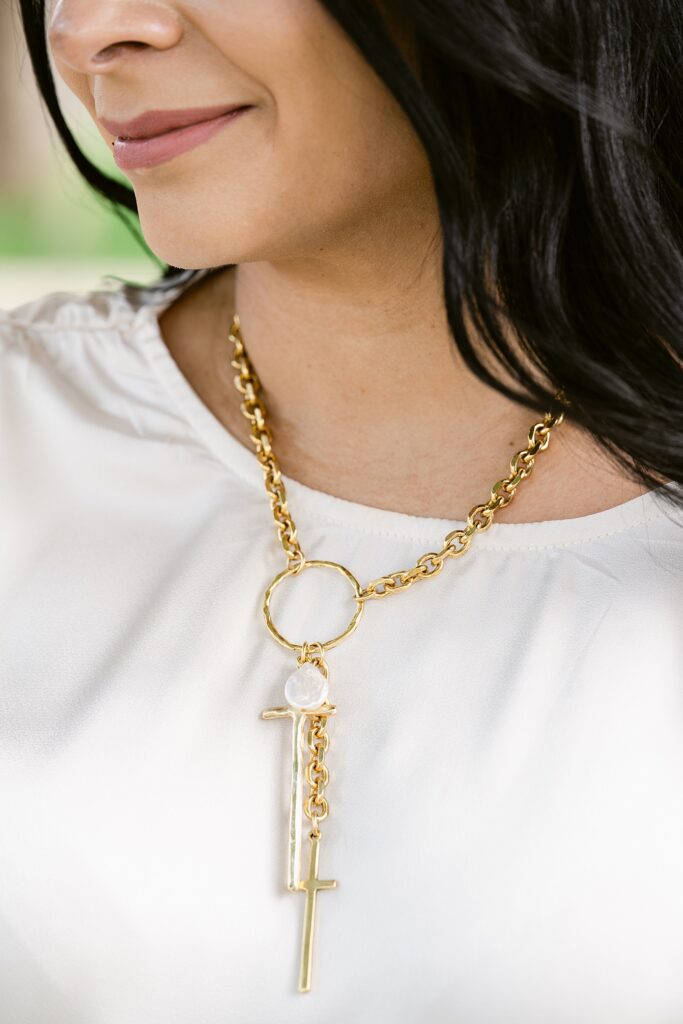
One of the most common gaps in product photography for wholesale is scale. A beautifully lit photo means very little if a buyer scrolling from behind a screen can’t tell whether they’re looking at a tabletop item or something the size of a shoebox. At a trade show, a buyer resolves that confusion in seconds just by picking the product up. Online, they can’t — so the photo has to resolve it for them.
Including a human element — a hand holding the product, a model wearing it, a person using it in context — gives buyers an instant, intuitive sense of proportion. It also builds confidence for retail: if a buyer can picture the size accurately from their own screen, they can picture it on their shelf, and they can picture their customer picking it up.
Lifestyle Photography That Sells the Way Your Product Is Actually Used
Clean, isolated product shots answer the what. Lifestyle photography answers the why — why someone would want this in their life, their home, or their daily routine.
Online wholesale buyers aren’t only evaluating your product in isolation. They’re evaluating whether it will resonate with their own customers, without the benefit of watching a shopper pick it up off a booth table. Lifestyle imagery that shows your product in an everyday moment — in use, in hand, in context — helps a buyer visualize the sell-through before they’ve committed to the order. It’s the difference between showing a product and showing a reason to buy it.
Consistency Builds Buyer Confidence Across Your Catalog
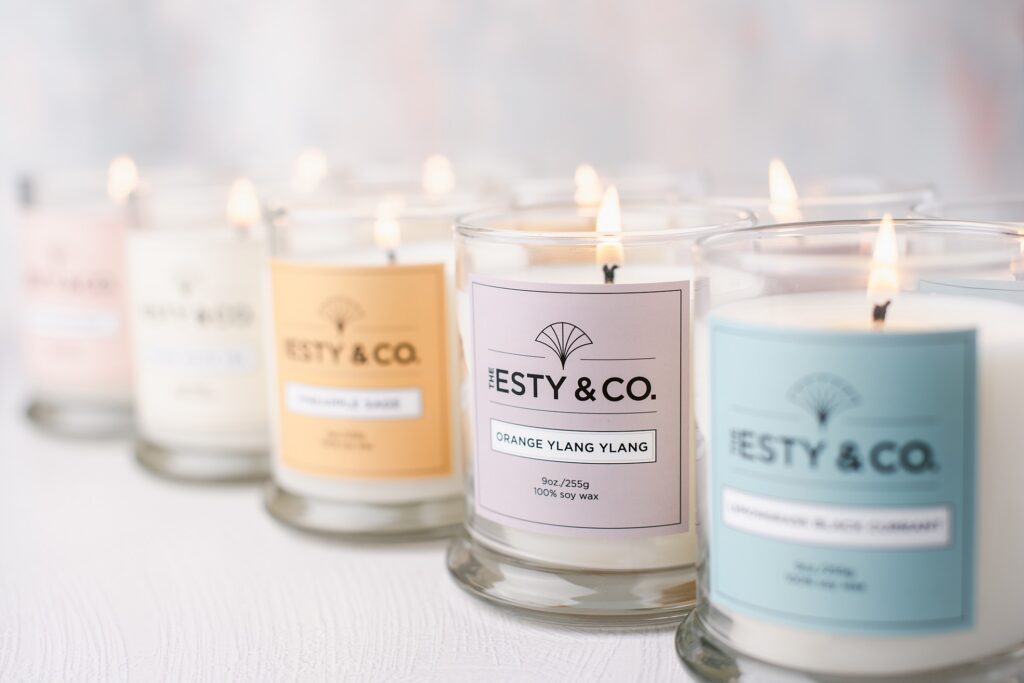
If a buyer is scrolling through multiple SKUs on an online wholesale platform, inconsistent photography style, lighting, or color accuracy creates hesitation — even if each individual photo looks fine on its own. A cohesive visual catalog signals that a brand is organized, established, and easy to work with, which matters even more when a buyer has never met the maker behind it.
Color accuracy deserves particular attention. Online wholesale buyers are ordering sight-unseen and often in bulk, and a color mismatch between the photo and the delivered product is one of the fastest ways to damage a retail relationship before it starts.
The Cost of Product Photography That Doesn’t Answer the Question
At a trade show, an unanswered question becomes a quick conversation. Online, it becomes a closed tab. When photography leaves questions unanswered, buyers don’t usually ask — they move on to the next vendor in their feed.
Strategic product photography reduces that friction at every stage: fewer clarifying messages, faster buyer decisions, fewer returns from mismatched expectations, and a stronger first impression with retailers who are evaluating dozens of vendors online in a single sitting. Without a booth, a handshake, or a showroom, the photography isn’t decoration around the pitch. It is the entire pitch.
What’s Next: Making Your Product Photography Work as Hard as You Do
If you’re preparing a wholesale line sheet, an online catalog, or a marketplace listing, take an honest look at your current images and ask: does this answer every question a buyer would have, without me there to answer for it? Does it show true scale, real detail, and the lifestyle context that makes the product make sense from a screen?
Product photography that sells isn’t an afterthought to your online wholesale strategy — it’s part of it. Getting it right the first time means fewer revisions, faster buyer confidence, and a stronger presentation from the very first scroll.
FAQs
What’s the difference between product photography for wholesale and photography for a retail website?
Wholesale photography needs to answer a buyer’s evaluation questions — scale, construction, and consistency across a full catalog — while retail website photography is often more focused on inspiring an individual shopper. For online wholesale specifically, the images also have to stand in for the in-person meeting a buyer would normally get at a trade show, so clarity and detail come first.
How many images does an online wholesale buyer actually need to see?
At minimum, a buyer scrolling an online listing needs a clean primary shot, a detail or texture shot, a scale reference, and one lifestyle image per product. Without a booth to walk up to, more angles reduce hesitation. Brands with larger catalogs benefit from a consistent shot list applied across every SKU, so buyers can compare products at a glance.
Do I need lifestyle shots if I already have clean product shots on white?
Yes. Clean shots on white are essential for catalogs and line sheets, but they don’t tell a buyer why a customer would want the product. Lifestyle photography that sells gives buyers the context they need to picture sell-through, not just specifications.
What if my product line is small — is professional photography still worth it?
It’s often more worth it. A smaller catalog means every image carries more weight in a buyer’s decision. In my experience working with product-based brands at different stages of growth, a tightly photographed small line often outperforms a larger, inconsistently photographed one.
How do I know if my current product photos are hurting my wholesale pitch?
If online buyers are messaging you the same questions about size, material, or use before placing an order, your photography isn’t answering those questions on its own. Without an in-person show to fill that gap, that pattern is usually the clearest sign it’s time for a refresh.
About the Author
This post was written by Gari-Ann Kia, owner and photographer at Kia & Co., a strategic brand and product photography studio based in Huntsville, Alabama. Kia & Co. works with product-based businesses, retail brands, and entrepreneurs to create imagery designed for real-world use — from wholesale pitches to website launches. Learn more at kiaandco.com.


